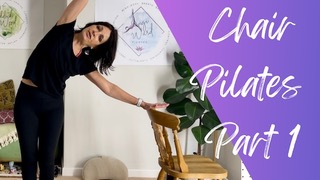
CHAIR PILATES – Part One

This series of three different Chair Pilates routines begins with a standing sequence. We are using the chair for balance and support and to add variety to your standing Pilates practice. Using a chair can not only provide stability but can also give you the opportunity to challenge yourself with Read more

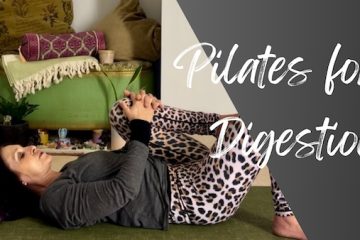
PILATES FOR DIGESTION

This Pilates routine includes rotations and movement on the breath to aid digestion and restorative postures to soothe the digestive system. Calming your nervous system, lowering your stress hormones and nourishing your internal organs, this sequence of exercises is not only great if you suffer from any digestive issues, but Read more

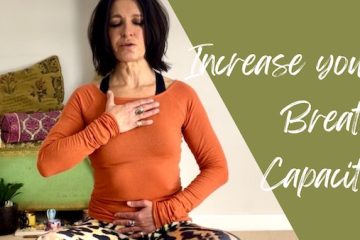
INCREASE YOUR BREATH CAPACITY

Do you suffer from shortness of breath? This calming short breath practice (8 minutes) will teach you how to increase your breath capacity, by drawing your breath into your belly, ribs and chest in a calming breath wave. You can reduce feelings of anxiety, decrease palpitations, improve shallow breathing and Read more

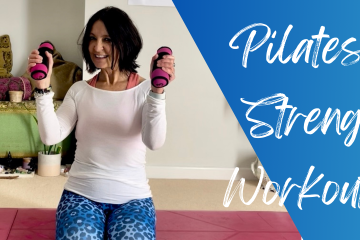
PILATES STRENGTH WORKOUT

Grab yourselves a set of light hand weights for this whole body ‘Strength Pilates’ workout. Including exercises that challenge our upper body strength and core strength, working the arms, the abs and the glutes. It also includes spine rotations and mobility, making this a great all rounder half an hour Read more

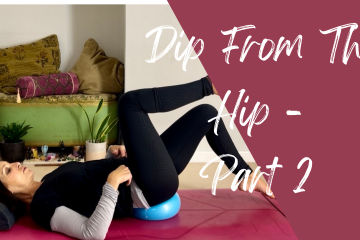
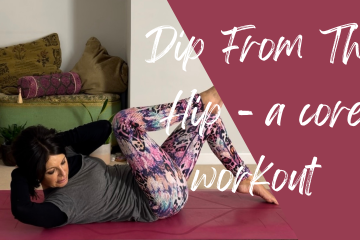
DIP FROM THE HIP – PART 2

In Part 2 of Dip From The Hip we explore using props to increase the intensity for the abdominals and obliques. Bring your blocks, cushions, rolled up blankets or towels and a Pilates mini ball if you have one for another core strengthening mini session.

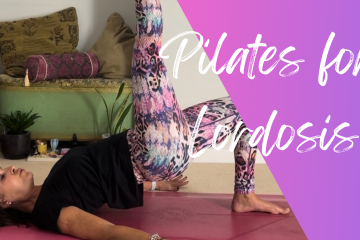
PILATES FOR LORDOSIS

Lordosis is a posture type characterised by a hollow lower back and a ‘sticky out bottom’. The muscular imbalances include tight hip flexors and lower back muscles and weak abdominals and glutes. The sequence of exercises in this video include stretching the tight muscles and strengthening the weak muscles to Read more

PILATES FOR KYPHOSIS

Kyphosis is a posture type characterised by rounded shoulders and often a forward head carriage. The muscular imbalances of kyphosis include tight pectorals and anterior (front) shoulder muscles and weak, over lengthened upper back muscles. This sequence of exercises, includes using a resistance band, and is designed to mobilise the Read more